The Impact of Custom Hoppers on the Efficiency of Conveyor Systems
Understanding Custom Process Hoppers and Their Role in Conveyor Systems
What Are Custom Process Hoppers?
Custom process hoppers play a vital role in the efficient operation of conveyor systems. These specialized containers are designed to hold and dispense bulk materials, ensuring a smooth flow from one stage of production to another. Unlike standard hoppers, custom hoppers are tailored to specific applications, accommodating various materials such as concrete, recyclables, and even scrap. Companies leverage these custom solutions to meet unique operational demands, enhancing the overall efficiency of their manufacturing processes. By optimizing the design to fit particular dimensions and material types, custom hoppers significantly reduce the risk of jams and slowdowns in the conveyor system.
Key Features of Custom Hoppers
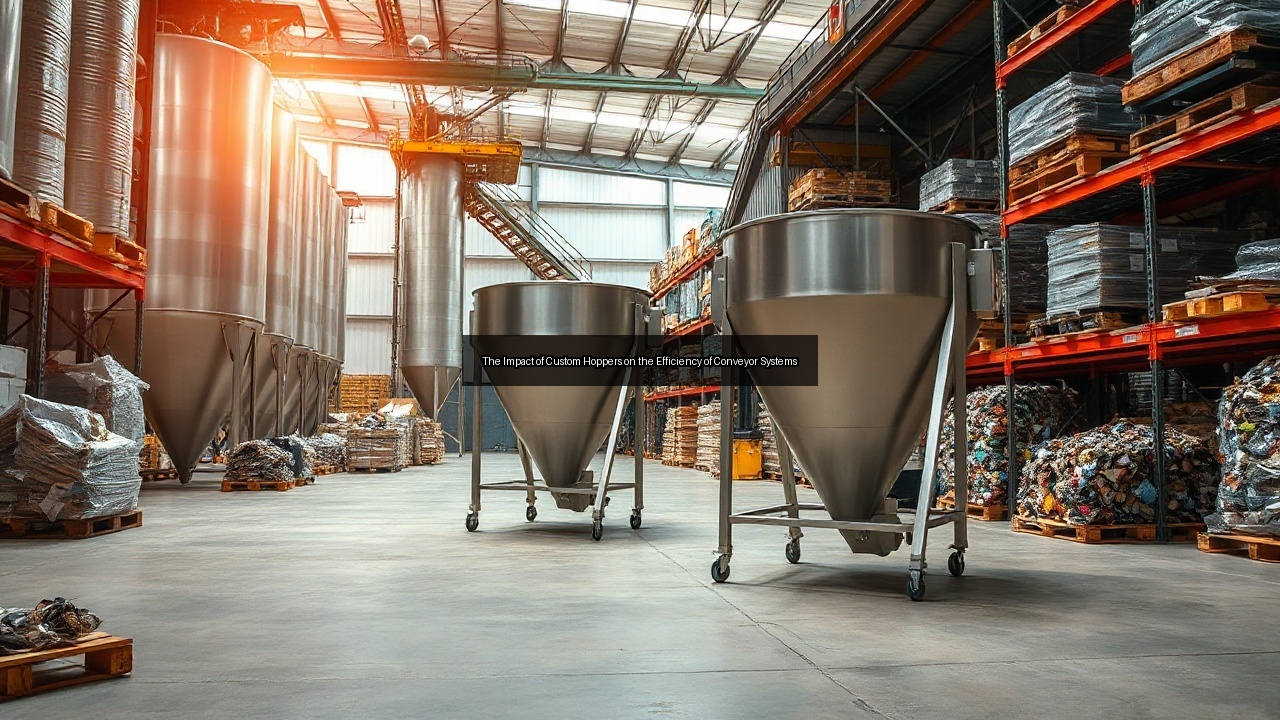
Several key features define the effectiveness of custom process hoppers. First, their design typically includes a cone-shaped bottom that facilitates the efficient flow of materials. This design minimizes material clumping and ensures a steady discharge rate, which is essential for maintaining productivity on conveyor systems. Additionally, many custom hoppers incorporate adjustable gates that provide precise control over material flow. This feature allows operators to manage inventory levels effectively, preventing overloading of the conveyor. Moreover, custom hoppers can come equipped with casters for mobility, making them versatile for various applications in warehousing and manufacturing environments.
Materials Used in Custom Hopper Fabrication
The fabrication of custom hoppers often employs materials such as stainless steel and sheet metal, each offering unique advantages. Stainless steel is favored for its durability and resistance to corrosion, making it ideal for environments that handle harsh materials or require regular cleaning. On the other hand, sheet metal hoppers, while often less expensive, can still provide robust performance for standard applications. The choice of material directly impacts the longevity and maintenance requirements of the hoppers. Companies must consider their specific operational needs and the types of materials they will handle when selecting the appropriate fabrication material for custom hoppers.
Enhancing Productivity with Custom Hoppers
How Custom Hoppers Improve Material Flow
Custom hoppers significantly enhance material flow in conveyor systems by ensuring a consistent and controlled discharge of bulk materials. The tailored design of these hoppers allows for optimized angles and dimensions, which reduces friction and promotes a seamless transfer of materials to the conveyor. As a result, businesses experience fewer interruptions in their workflow, leading to increased productivity. The ability to manage the flow rate through adjustable gates further aids operators in maintaining an efficient production pace. Consequently, materials reach their destination without delay, ensuring that manufacturing timelines are met and operational costs are kept low.
Impact on Recycling Operations
In recycling operations, custom process hoppers play a critical role in managing and sorting recyclables effectively. These hoppers ensure the optimal flow of materials into sorting systems, reducing the chances of contamination and improving overall recycling efficiency. By tailoring the design to accommodate various types of recyclables, companies can streamline their operations and increase the volume of materials processed. This flexibility is especially important in industries where the composition of recyclables can vary widely. The integration of custom hoppers with conveyors facilitates a more organized and efficient handling of materials, ultimately contributing to a greener environment and enhanced sustainability practices.
The Role of Dimensions and Design in Efficiency
The dimensions and design of custom hoppers are crucial in maximizing their efficiency within conveyor systems. A well-designed hopper considers factors such as the material's bulk density, flow characteristics, and the specific requirements of the conveyor system. Incorrect dimensions can lead to bottlenecks, jams, and inefficient material flow, which ultimately hampers productivity. Companies must conduct thorough assessments to determine the ideal size and shape of their hoppers to align with the operational flow of their conveyor systems. By investing in precise engineering and thoughtful design, businesses can achieve significant improvements in their material handling processes.
Integration of Custom Hoppers in Warehousing and Manufacturing
Custom Hoppers in Silo and Bulk Material Management
Custom hoppers are integral to effective silo and bulk material management. These hoppers serve as the first point of access for bulk materials, allowing for efficient loading and unloading processes. With their ability to interface seamlessly with conveyor systems, custom hoppers facilitate the movement of materials from silos to production lines. Their design can accommodate varying sizes and types of materials, ensuring that businesses can manage their inventory with flexibility. By streamlining the transfer of bulk materials, custom hoppers enhance the overall efficiency of warehousing and manufacturing operations, reducing downtime and improving throughput.
Compatibility with Conveyor Systems and Other Equipment
Successful integration of custom hoppers requires compatibility with existing conveyor systems and other equipment. Custom hoppers can be designed to fit standard conveyor dimensions, ensuring a smooth transition of materials. This compatibility reduces the need for extensive modifications to existing systems, saving time and resources. Additionally, custom hoppers can be paired with various types of equipment, including pallet racks and sorting systems, to create a cohesive material handling solution. By ensuring that all components work in harmony, companies can enhance their operational efficiency and maintain a streamlined workflow.
Case Studies: Successful Implementations in Concrete and Scrap Industries
Numerous companies have successfully implemented custom process hoppers to improve their operations. For instance, in the concrete industry, a leading manufacturer adopted tailored hoppers to handle different mixes more effectively. This change reduced material waste and improved the speed of their production lines. Similarly, a scrap recycling facility integrated custom hoppers to manage diverse scrap types, allowing for more efficient sorting and processing. These case studies highlight the tangible benefits of using custom hoppers in various industries, reinforcing their value in enhancing productivity and operational efficiency.
Future Trends in Custom Hoppers and Conveyor Technology
Innovations in Materials: Stainless Steel vs. Sheet Metal
The evolution of materials used in custom hoppers continues to shape their effectiveness and longevity. Innovations in stainless steel offer enhanced durability and resistance to wear, making it increasingly popular for high-demand applications. Conversely, advancements in sheet metal fabrication techniques have improved the reliability and strength of more cost-effective options. Companies must stay informed about these trends to make strategic decisions regarding their hopper material choices, ensuring they select the right balance between cost, durability, and performance that aligns with their operational requirements.
The Importance of Safety Features: Guardrails and Gates
Safety remains a paramount concern in the design of custom hoppers. Incorporating features such as guardrails and safety gates enhances workplace safety by preventing accidents during material handling. These safety measures protect workers from potential hazards associated with bulk material flow and equipment operation. Companies prioritizing safety not only comply with regulations but also foster a culture of care and responsibility within their workforce. As the industry evolves, the integration of advanced safety features will become increasingly essential, ensuring that operations remain safe and efficient.
Sustainability in Hopper Design for Recycling
Sustainability trends are influencing the design of custom hoppers, especially in recycling applications. Manufacturers are exploring eco-friendly materials and designs that minimize waste and energy consumption. For instance, using recycled metals in hopper fabrication aligns with broader sustainability goals while maintaining performance standards. Additionally, efficient designs that optimize material flow can reduce energy use within conveyor systems. Companies that embrace sustainable practices not only contribute to environmental protection but also enhance their brand reputation in a market that increasingly values eco-friendly operations.