Blind Flanges and Gaskets A Perfect Pair for Sealing Solutions
Understanding Blind Flanges
What are Blind Flanges?
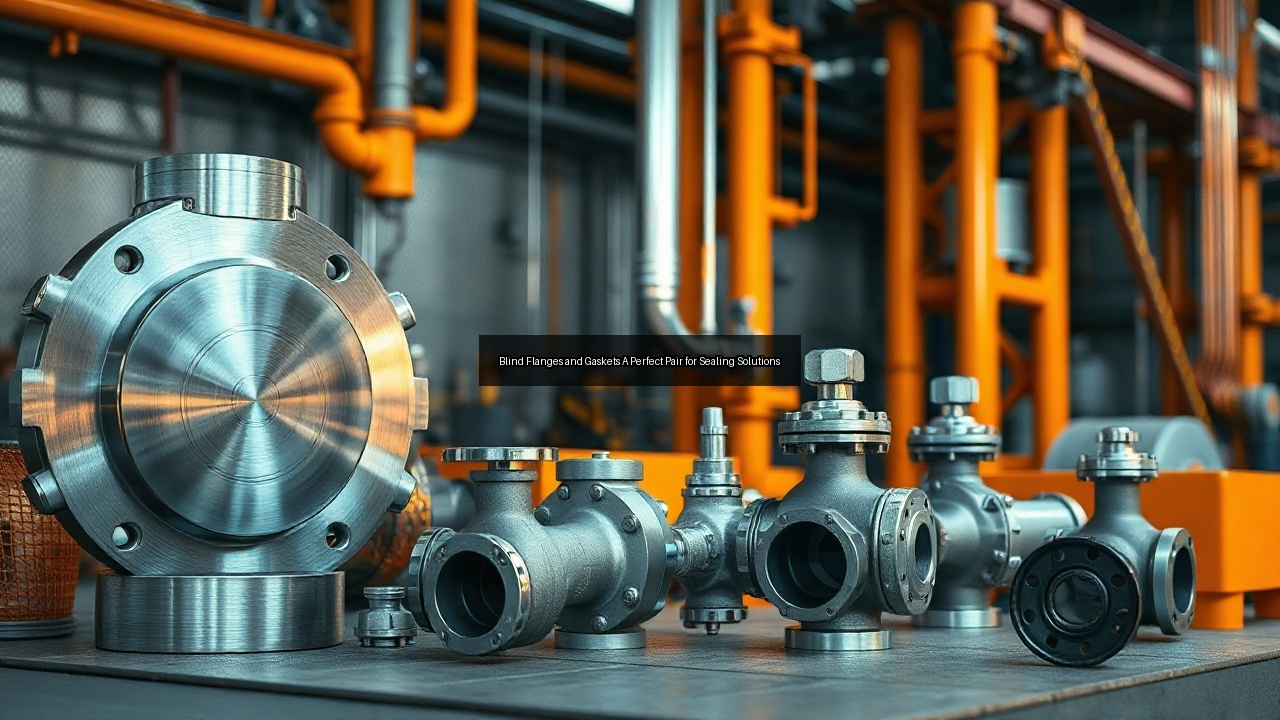
Blind flanges cap off the ends of pipes or tubes in piping systems. These solid discs bolt to flanged connections and create a secure termination without any bore for flow. Engineers rely on blind flanges when they need to isolate sections of pipe during maintenance or testing. The design matches standard pipe flanges so crews can swap them with valves or fittings as projects evolve. In practice, operators choose blind flanges to seal lines carrying fluids under pressure. They fit seamlessly into larger networks that include expansion joints and pipe fittings. This versatility makes blind flanges essential for both temporary closures and permanent ends in steel pipes across industrial sites.
Common Materials Used in Blind Flanges
Carbon steel dominates blind flange production because it delivers strength and cost efficiency for high-pressure applications. Stainless steel versions resist corrosion in aggressive environments where moisture or chemicals attack metal surfaces. Fabricators also offer alloy options when extreme temperatures demand extra durability. Each material pairs with compatible gaskets to maintain integrity at the flange face. Workers weld or bolt these flanges onto pipes and tubes without altering flow paths elsewhere in the system. Material choice directly influences how long the assembly withstands vibration and thermal cycling in demanding operations.
Applications in Various Industries
Oil and gas facilities use blind flanges to isolate sections of infrastructure during shutdowns or pressure tests. Refineries bolt them onto pipe flanges at manifold ends to prevent leaks from valves or pumps. Chemical plants select stainless steel blind flanges for lines handling corrosive media. Power generation stations rely on carbon steel models to cap steam pipes and tubes. Water treatment plants integrate them with expansion joints to manage flow direction changes. These components appear wherever crews need reliable terminations without continuous access points.
The Role of Gaskets in Sealing
Types of Gaskets Suitable for Blind Flanges
Spiral wound gaskets work well with blind flanges because their metal windings and filler material handle high temperatures and pressures. Ring type joint gaskets create metal-to-metal seals on raised face flanges in critical oil and gas lines. Flat ring gaskets suit lower pressure systems where rubber or fiber compounds compress against the flange surface. Each type matches the bolt pattern and facing of standard pipe flanges. Installers select gaskets based on the media flowing through adjacent pipes and valves. Proper selection ensures the blind flange assembly maintains a tight seal across repeated cycles of operation and shutdown.
Importance of Gasket Material Selection
Choosing the right gasket material prevents chemical degradation when aggressive fluids contact the sealing surface. Temperature ratings guide decisions between graphite composites and PTFE options for stainless steel blind flanges. Pressure class dictates thickness and construction to avoid extrusion under load. Compatibility with carbon steel pipe flanges avoids galvanic corrosion over time. Engineers review service conditions before specifying gaskets for new installations or replacements. This step directly supports long-term reliability in complex networks of tubes, fittings, and valves.
How Gaskets Prevent Leaks
Gaskets fill microscopic irregularities between the blind flange and mating pipe flange surfaces. Compression from bolt torque forces the material into voids and creates a barrier against internal pressure. In high-stakes oil and gas applications, the correct gasket stops fugitive emissions that could violate environmental rules. The seal accommodates minor flange movement from thermal expansion in steel pipes. Regular inspection confirms the gasket continues to block leaks at connection points involving valves and expansion joints. Effective gasketing extends service life and reduces downtime across industrial piping systems.
Design and Installation Considerations
Proper Alignment and Fitting of Flanges
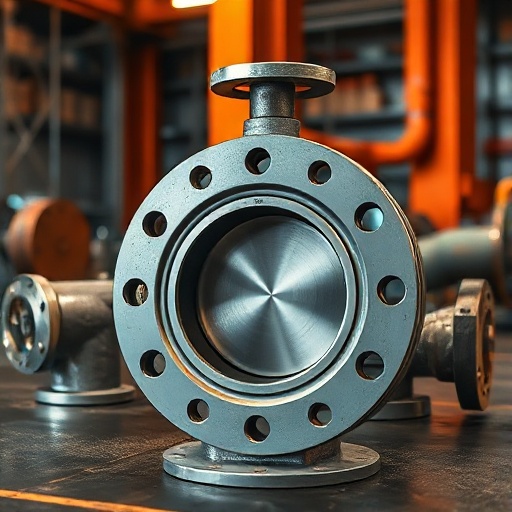
Crews must align blind flanges squarely with the pipe end before bolting to avoid uneven gasket compression. Misalignment stresses the flange and leads to premature leaks in pressurized lines. Laser alignment tools help achieve precise positioning on large-diameter steel pipes. Fitters check bolt hole patterns match exactly with standard pipe flanges. Proper seating ensures the gasket contacts the full sealing surface without gaps. Accurate alignment supports reliable performance when the assembly connects to valves or other fittings in the network.
Torque Specifications for Blind Flange Installation
Manufacturers publish torque values based on bolt size, material, and pressure rating for each blind flange. Technicians apply torque in a star pattern to distribute load evenly across the gasket. Hydraulic torque wrenches deliver consistent results on large carbon steel installations. Over-torquing damages gaskets and deforms flange faces while under-torquing allows movement and leaks. Documentation of final torque readings provides traceability for future maintenance on pipes and tubes. Following specifications protects the integrity of the entire flanged connection.
Common Pitfalls to Avoid During Installation
Skipping surface cleaning leaves debris that prevents full gasket contact and causes immediate leaks. Reusing old gaskets with new blind flanges often leads to failure under pressure. Ignoring recommended lubrication on bolts produces inconsistent torque readings. Workers sometimes overlook flange facing type when selecting gaskets, resulting in poor seals on pipe flanges. Rushing alignment on complex runs with multiple valves and expansion joints creates long-term stress points. Attention to these details during installation prevents costly repairs in oil and gas infrastructure.
Reliability and Maintenance of Blind Flanges
Factors Affecting the Reliability of Blind Flanges
Operating pressure, temperature fluctuations, and media corrosiveness determine how long a blind flange and gasket combination lasts. Vibration from nearby pumps or compressors accelerates wear on carbon steel assemblies. Improper storage before installation exposes stainless steel surfaces to contamination. Bolt relaxation over time reduces compression on the gasket and allows seepage. External environmental factors such as coastal salt air affect exposed pipe flanges in infrastructure projects. Monitoring these variables helps operators predict service intervals accurately.
Routine Maintenance Practices
Scheduled inspections include checking bolt torque on blind flanges and examining gaskets for compression set or chemical attack. Ultrasonic testing detects internal flaws in steel pipes connected to flanged ends. Technicians clean flange faces and replace gaskets during planned outages to restore full sealing capability. Records of each maintenance event track performance trends across valves and fittings. Lubrication of bolts during service prevents seizure and supports future adjustments. Consistent practices extend the operational life of piping systems in demanding industries.
When to Replace Blind Flanges and Gaskets
Visible corrosion, deformation, or cracking on the flange face signals the need for replacement of blind flanges. Gasket failure becomes evident through persistent leaks or pressure drops in isolated pipe sections. Age combined with aggressive service conditions in oil and gas facilities often requires proactive changeouts. Technicians replace both the blind flange and gasket together to ensure compatible sealing surfaces. Replacement during major turnarounds minimizes disruption to connected tubes, valves, and expansion joints. Timely action maintains overall system reliability and regulatory compliance.
Industry Standards and Specifications
ASME Standards for Blind Flanges
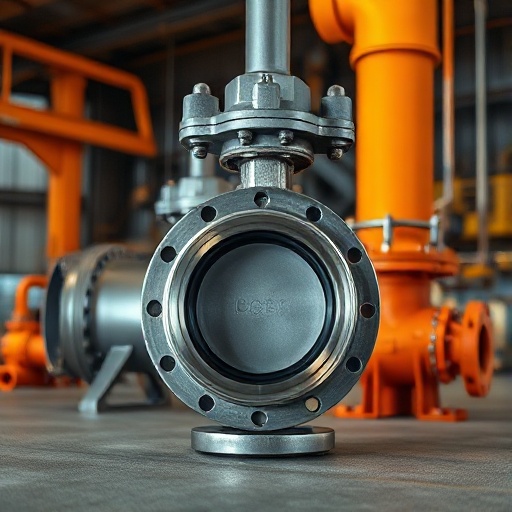
ASME B16.5 defines dimensions, pressure ratings, and tolerances for blind flanges used with pipe flanges and flanged fittings. Compliance ensures interchangeability across manufacturers and projects. The standard covers both carbon steel and stainless steel options in sizes from NPS 1/2 through NPS 24. Additional requirements in ASME B16.47 address larger diameters common in oil and gas infrastructure. Adherence to these specifications guarantees that blind flanges perform safely when paired with gaskets under rated conditions.
Comparison of Carbon Steel and Stainless Steel Blind Flanges
Carbon steel blind flanges offer high strength at lower cost for non-corrosive services in general piping networks. Stainless steel models provide superior resistance to oxidation and chemical attack in aggressive environments. Weight and thermal expansion characteristics differ slightly between the two, affecting installation procedures on steel pipes. Cost analysis often favors carbon steel for buried or insulated lines while stainless steel justifies premiums in exposed or sanitary applications. Both materials meet ASME requirements when properly specified with matching gaskets and valves.
Regulatory Guidelines in Oil and Gas Infrastructure
Regulatory bodies require documented material traceability and pressure testing for blind flanges installed in oil and gas pipelines. Standards mandate regular integrity assessments that include gasket condition checks at flanged connections. Compliance with environmental rules drives selection of low-emission gaskets on critical pipe flanges. Operators must maintain records showing adherence to ASME dimensions and torque procedures. These guidelines protect workers and the surrounding environment by reducing the risk of leaks from valves, tubes, and expansion joints throughout the facility.
See Also
- Blind Flanges Unveiling Their Importance in Valve Systems
- Blind Flanges A Reliable Solution for Leak Prevention in Infrastructure
- Understanding the Role of Blind Flanges in Pipe Fittings
- Choosing the Right Blind Flange Material for Your Project
- Blind Flanges vs Standard Flanges Which is Right for Your Needs